I. Introduction
Excavators are the backbone of the construction and mining industries, renowned for their versatility and power in performing a wide array of tasks, from digging and lifting to material handling. These machines come in various sizes and configurations, each designed to meet specific project requirements. Among the numerous specifications that define an excavator’s capabilities, digging height stands out as a crucial parameter that can significantly impact a project’s efficiency and scope.
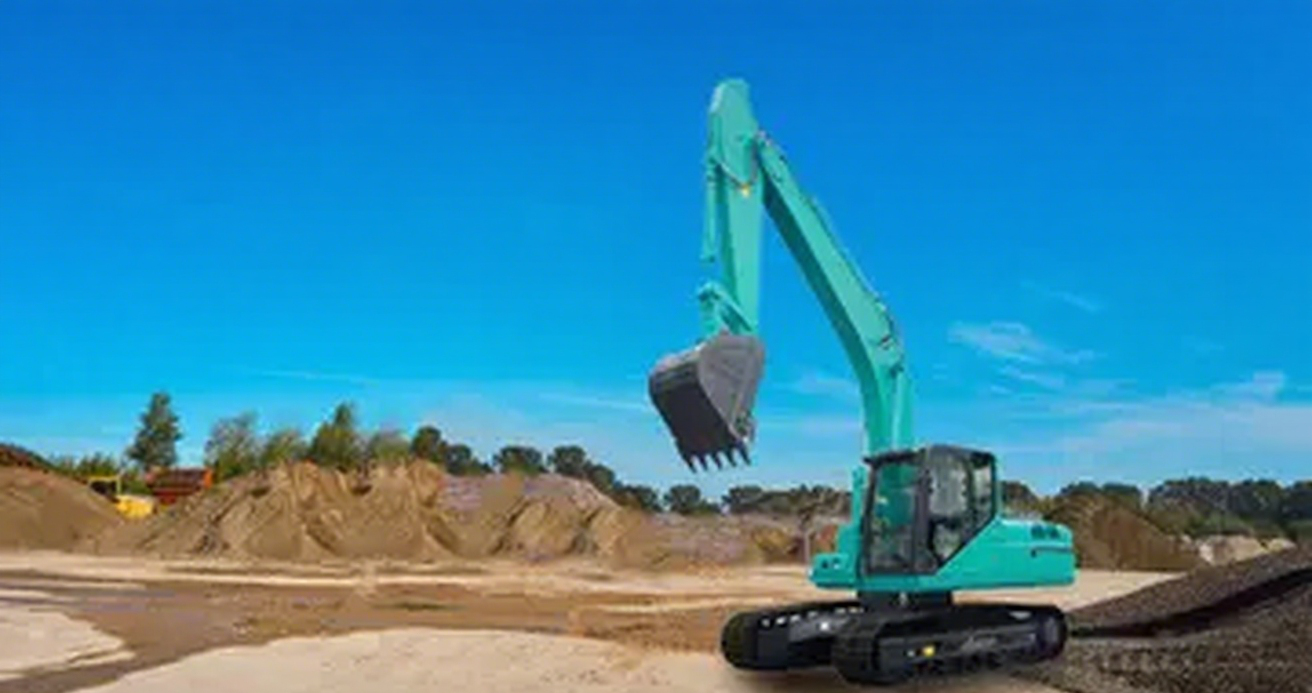
In this comprehensive exploration of excavator digging height, we’ll focus on the SWE210 hydraulic transmission digging mining Medium Excavator, a prime example of modern excavator technology. By understanding the importance of digging height and how it relates to other key specifications, we can better appreciate the role these machines play in shaping our built environment and extracting valuable resources from the earth.
II. Understanding Excavator Specifications
To fully grasp the significance of digging height, it’s essential to understand the key measurements that define an excavator’s performance. These specifications work in concert to determine a machine’s overall capabilities and suitability for various tasks. Let’s delve into each of these critical parameters:
1. Operating weight: This refers to the total weight of the machine, including standard equipment and a full fuel tank. For the SWE210, the operating weight is 21.3 tons, placing it firmly in the medium excavator category. This weight provides a stable base for operations while still allowing for reasonable transportability.
2. Bucket capacity: This measure indicates the volume of material the bucket can hold. The SWE210 boasts a bucket capacity of 1.0 m³, striking a balance between material handling capability and maneuverability.
3. Engine power: The power output of the excavator’s engine is crucial for overall performance. The SWE210 is equipped with an ISUZU 6BGITRP-03 engine, delivering 110kW at 2100rpm. This robust power plant ensures the machine can handle demanding tasks efficiently.
4. Digging depth: This specification represents the maximum depth the excavator can reach below ground level. The SWE210 achieves a impressive digging depth of 6750 mm, allowing it to tackle deep excavation projects with ease.
5. Digging height: The primary focus of our discussion, digging height is the maximum vertical reach the excavator can achieve above ground level. For the SWE210, this stands at an impressive 9750 mm, providing exceptional versatility for high-reach tasks.
6. Dumping height: Also known as maximum unloading height, this measurement indicates the highest point at which the excavator can safely unload material. The SWE210 offers a dumping height of 6980 mm, complementing its high digging reach.
These specifications are interdependent, and understanding their relationships is key to selecting the right excavator for a given project. For instance, while a high digging height is advantageous for many tasks, it must be balanced with factors like stability (influenced by operating weight) and power requirements.
III. Digging Height Explained
Digging height, also referred to as maximum digging height, is a critical specification that defines an excavator’s vertical reach capabilities. It represents the vertical distance from the ground to the highest point that the excavator’s bucket teeth can reach when the boom and arm are fully extended.
For the SWE210 hydraulic transmission digging mining Medium Excavator, the maximum digging height is 9750 mm (approximately 32 feet). This impressive reach allows the SWE210 to tackle a wide range of tasks that require significant vertical access, from loading high-sided trucks to working on multi-story demolition projects.
The digging height is determined by several factors:
1. Boom length: The primary arm of the excavator, extending from the main body.
2. Arm length: The secondary arm, connected to the boom and the bucket.
3. Bucket size and configuration: The attachment at the end of the arm used for digging and material handling.
The combination of these elements, along with the hydraulic system’s capabilities, determines the maximum reach of the excavator. It’s worth noting that the actual working height may be slightly less than the maximum digging height, as operators typically maintain some clearance for safety and efficient operation.